Area
Hurghada
Offers
Other Projects in Hurghada
3 Results Available
Show All arrow_right_alt

 Facebook
  Twitter
  WhatsApp


Master Plan
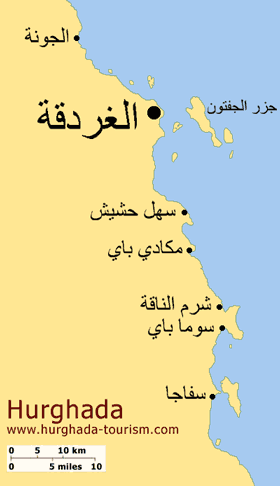
Hurghada is a coastal city on the western coast of the Red Sea and the administrative capital of the Red Sea Governorate. Its boundaries extend from Ras Gharib in the north to Safaga in the south, with the sea forming its eastern edge and the Red Sea Mountains lying to the west.
The city is not a single resort but includes urban neighbourhoods, separate resort zones and offshore islands, creating distinct settings for permanent housing, coastal developments and leisure trips. El Gouna lies to the north, while Sahl Hasheesh and Soma Bay are located to the south. Islands such as Giftun, Magawish and Abu Minqar are also part of the area, mainly associated with beaches, coral reefs and marine activities.
Where Is Hurghada? Location, Boundaries and Access
Hurghada lies on the Red Sea coast, between Ras Gharib to the north and Safaga to the south, with the Red Sea Mountains to the west and the sea to the east. For readers searching where Hurghada is located, the surrounding resort areas provide a useful geographical framework.
El Gouna Resort is about 25 kilometres north of the city, while Sahl Hasheesh is approximately 25 kilometres south. Soma Bay also lies to the south, on a peninsula surrounded by water on three sides. These destinations form separate coastal zones rather than neighbourhoods within one continuous resort.
Northern and Southern Resort Zones
The northern side is associated with El Gouna, which features shopping and entertainment centres, commercial areas, a yacht marina and a small airport for private aircraft. South of the city, Sahl Hasheesh is known for its beaches, coral reefs and an underwater Pharaonic city, while Makadi Bay and Soma Bay contain various residential and resort developments.
Offshore destinations rely on marine access. Giftun Island lies about 11 kilometres north-east of Hurghada and can be reached by boat or organised cruise. Magawish Island is around 7.5 kilometres from the city. Sea tours, sailing and boat rentals therefore connect the mainland with destinations whose primary role is recreational rather than residential.
Hurghada’s Size, Administrative Role and Main Areas
Hurghada covers about 460 square kilometres and includes islands, resort areas and older neighbourhoods within a coastal administrative centre. The city was established in 1905 and was initially inhabited by small Bedouin families before becoming the administrative capital of the Red Sea Governorate.
Its beaches now extend for more than 40 kilometres along the western coast of the Red Sea, while the surrounding landscape includes marine, desert and mountainous environments. This combination gives Hurghada a diverse setting that supports residential communities, coastal resorts and tourism activities.
Islands, Resorts and Old Neighbourhoods
The available classification divides Hurghada into three main components:
- Islands such as Giftun, Umm Qamar, Abu Ramada, Fandir and Shedvan.
- Resort areas including El Gouna, Sahl Hasheesh, Soma Bay and Makadi Bay.
- Older neighbourhoods, although the available information does not identify them by name.
This division is important because each component has a distinct role. The older neighbourhoods make up part of the residential city, while El Gouna, Sahl Hasheesh, Soma Bay and Makadi Bay combine resort, residential and service functions. In contrast, Giftun, Magawish and Abu Minqar are mainly associated with boat trips, beaches, diving and coral-reef exploration.
The islands also vary in size and location. Giftun Island covers approximately 17 square kilometres and lies northeast of the mainland. Abu Minqar covers around 320 acres, while Magawish has beaches extending for about 2 kilometres. These offshore destinations should therefore be considered separately from the mainland's urban neighbourhoods and resort developments when evaluating Hurghada's overall structure.
Services and Everyday Amenities in Hurghada
Services in Hurghada include retail, dining, entertainment and marine recreation, while confirmed education and healthcare facilities are limited.
Retail options include shopping centres, traditional markets, international brands and local handicraft shops, with Asplanda Mall and Senzo Mall among the named destinations. Restaurants and cafés are also widely available.
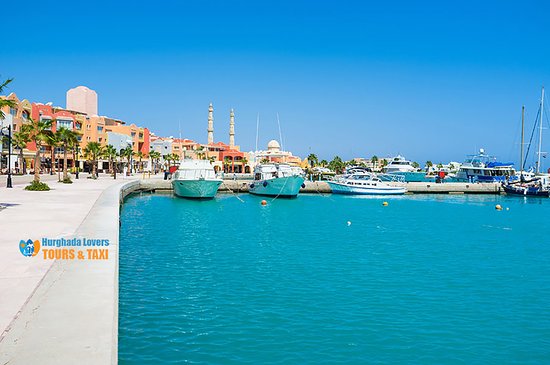
Leisure attractions include Hurghada Marina, Makadi Promenade, Hurghada Corniche, Makadi Water World, SeaWorld Hurghada, Crazy Land, the Mini Egypt Museum and the Sand Museum.
Educational options include marine exhibits at Hurghada Aquarium, while healthcare information is limited to spas in El Gouna, with no confirmed details on hospitals, clinics or pharmacies.
Property Developments and Unit Types in Hurghada
The property supply comprises apartments, duplexes, chalets and Hurghada villas across developments in Makadi Bay, Soma Bay and Sahl Hasheesh.
Development and Payment-Plan Comparison
Among the notable developments in Hurghada, Makadina by Naibi Real Estate Investment is located in Makadi Bay, while Makadi Heights by Orascom Development spans 3.7 million square metres and offers entertainment and educational services.
Ras Soma and Soma Bay Hurghada Red Sea Village are developed by Abu Soma Tourism Development. Soma Bay covers 10 million square metres on a peninsula south of the city and features golf courses and hotel services, while Cala Sahl Hasheesh by Times Development offers direct Red Sea views.
The named projects are associated with a 10% down payment, with instalment plans extending up to seven years for projects such as Makadina and Soma Bay.
What Defines Hurghada’s Property Market?
Hurghada’s property market is divided between regular residential neighbourhoods and development-led resort zones. Apartments in ordinary neighbourhoods are typically presented on a per-square-metre basis, while resort properties and named projects are marketed using total unit prices and developer instalment plans.
Because these pricing methods differ, Hurghada property prices cannot be compared reliably without considering the location, property type and calculation basis. Available unit categories include apartments, duplexes, villas and chalets, although no specific sizes, bedroom counts or finishing specifications are provided.
Hurghada’s Islands, Landmarks and Red Sea Activities
The area’s landmarks fall into two groups: natural marine destinations and constructed entertainment venues.
Natural and Built Attractions
Giftun Island, Magawish Island and Abu Minqar Island are associated with beaches, coral reefs, diving, snorkelling and birdwatching. Sailing, fishing, canoeing, surfing, jet skiing and water skiing extend the range of activities available around these offshore locations.
Built attractions serve different interests. The Sand Museum displays sculptures and three-dimensional works made from sand, while Hurghada Aquarium focuses on fish, coral reefs and other marine animals. Sahl Hasheesh has an underwater Pharaonic city, and El Gouna contains a small museum. Makadi Water World adds water slides and children’s water-play areas to the area’s leisure provision.
Hurghada’s Coastal Zones and Urban Character
Hurghada functions as an administrative and residential city surrounded by resort-led mainland areas and leisure-focused islands. The older neighbourhoods form part of the urban residential market, although none is named in the available source.
By contrast, coastal resort areas such as Makadi Bay, Soma Bay and Sahl Hasheesh contain several named property developments. Offshore destinations including Giftun, Magawish and Abu Minqar are mainly associated with marine excursions and outdoor activities rather than residential uses.
Hurghada operates as more than a standalone holiday resort. Its urban neighbourhoods support a residential property market, while Makadi Bay, Soma Bay and Sahl Hasheesh contain developer-led coastal projects. Separate islands contribute marine activities and excursion settings.
The city’s retail and entertainment venues add an everyday service layer. Property comparisons should therefore begin with the type of location under consideration: an urban neighbourhood, a mainland resort development or an offshore leisure destination. Each serves a different role within the wider coastal area.
Frequently Asked Questions
Where is Hurghada located?
Hurghada is on the western coast of the Red Sea, between Ras Gharib and Safaga.
How large is Hurghada?
Hurghada covers about 460 km², with over 40 km of coastline.
What are the main resort areas around Hurghada?
Key areas include El Gouna, Sahl Hasheesh, Soma Bay and Makadi Bay.
What property types are available in Hurghada?
Properties include apartments, duplexes, villas and chalets.
How far are El Gouna and Sahl Hasheesh from Hurghada?
El Gouna is about 25 km north, while Sahl Hasheesh is around 25 km south of Hurghada.
Which property developments are named in the area?
Key projects include Makadina, Ras Soma, Soma Bay, Cala Sahl Hasheesh and Makadi Heights.
Get Action now

