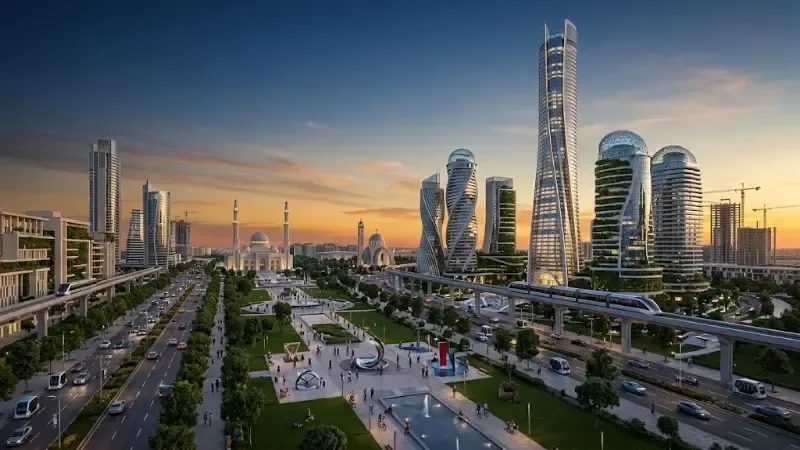
The Future of Real Estate in Egypt 2026 will be shaped by shifting buyer and investor priorities, rising construction costs, the development of new cities, and growing interest in residential, commercial, and administrative properties. Areas such as New Cairo, the New Administrative Capital, and West Cairo continue to attract market attention, although prices and opportunities vary according to each project's location and the nature of demand.
However, the future of Egypt's property market depends on more than price movements. Purchasing power, payment plans, construction quality, and the supply of available units also play important roles. Therefore, buying or investing in property requires understanding market conditions and comparing available options, whether the goal is to secure a suitable home, generate rental income, or hold a property as a long-term investment.
Overview of The Future of Real Estate in Egypt 2026 & Market Trends in 2026
The Egyptian real estate market in 2026 is shaped by a range of economic factors and urban expansion projects that influence sales activity and real estate developers' strategies. As projects diversify and buyers' needs evolve, monitoring market developments becomes essential to understanding available opportunities and the challenges that may affect purchasing and investment decisions.
The key features of Egypt's real estate market can be identified through the following points:
- Expansion of New Cities: Growing interest in new urban communities with developing infrastructure and services.
- Increasing Interest in Small and Medium-Sized Units: Buyers seek affordable properties that meet their housing needs.
- Flexible Payment Plans: Down payments and instalment periods influence purchasing decisions.
- Growth of Mixed-Use Developments: More interest in projects combining residential, commercial, and administrative spaces.
- Changing Property Selection Criteria: Buyers prioritize facilities, construction progress, and practical needs.
- Diverse Investment Objectives: Buyers choose properties for long-term investment, rental income, or future resale.
These trends indicate that The Future of Real Estate in Egypt 2026 will depend on the market's ability to provide diverse options that meet buyers' requirements while maintaining a balance between prices, services, and actual demand for properties.
Property Price Forecasts in Egypt 2026
Forecasts for Egypt’s real estate market in 2026 indicate the possibility of continued price increases, with growth rates varying according to project location, unit type, construction costs, and demand levels. In this context, estimates published in late 2025, based on statements by the Real Estate Developers Association, projected an average increase in property prices of between 8% and 12% in 2026 compared with the price growth recorded in the previous year.
On the other hand, statements published in October 2026 suggested that property prices could increase by between 5% and 7% by the end of the year. The difference between these estimates highlights how price movements are influenced by economic variables and the specific conditions of each project. Therefore, these percentages should be treated as indicative estimates rather than confirmed outcomes or fixed growth rates that apply uniformly across Egypt’s entire real estate market.
Need help choosing? Talk to a Shary advisor
Factors Affecting Property Prices in Egypt
Property prices in Egypt are influenced by several economic and urban development factors that determine construction costs and market values, shaping The Future of Real Estate in Egypt 2026 throughout 2026. The main factors include:
- Construction Costs and Inflation: Land prices, building materials, labour costs, and exchange rates influence the cost of developing new projects.
- Location and Infrastructure: Proximity to roads, transport networks, and essential services can increase a property's attractiveness and influence its price.
- Supply and Demand: The number of available units and actual market demand affect how developers and sellers set prices.
- Interest Rates and Financing: Borrowing costs and financing conditions influence buyers' ability to afford property.
- Property Type and Specifications: Apartment, villa, commercial, and administrative property prices vary depending on size, finishing specifications, intended use, and location within the development.
Understanding these factors helps explain price differences between projects, even when they are located in the same area. It also highlights the importance of comparing similar properties rather than relying solely on general market averages.
Will Property Prices in Egypt Continue to Rise in 2026?
Forecasts for the Future of Real Estate in Egypt 2026 suggest that property prices may continue to rise during 2026, driven by construction and development costs alongside market demand. However, the rate of increase is expected to vary between locations.
Published estimates have ranged between 5% and 12%, although these figures remain uncertain. They do not necessarily indicate that all properties will increase in value or guarantee profits when resold.
Could Property Prices in Egypt Fall?
Property prices in some areas of Egypt may decline due to weaker demand, increased supply, or changing economic conditions. However, prices may also stabilize or grow at a slower rate instead of falling.
It is also important to consider inflation, as prices may rise in Egyptian pounds without a corresponding increase in real value. Monitoring resale prices, market activity, and local supply and demand can help assess potential price declines.
The Most Promising Areas for Real Estate Investment in Egypt
The Future of Real Estate in Egypt 2026 offers diverse investment opportunities in 2026, supported by urban expansion and the development of residential, commercial, and coastal projects. Choosing the right location depends on the investment strategy, market demand, and the availability of services and infrastructure. Areas worth considering include:
- New Capital: Offers residential and administrative projects, but requires assessing occupancy and demand.
- New Cairo: Provides residential options near services and business centres.
- Mostakbal City: An expanding area where service availability and competing supply should be considered.
- Sheikh Zayed & 6th of October City: Offer diverse residential investments depending on location and accessibility.
- North Coast and New Alamein: Attract coastal property buyers, but seasonal demand and operating costs require consideration.
Comparing Investment Opportunities Across Different Areas
The Future of Real Estate in Egypt 2026 presents varying investment opportunities across different locations. The following comparison highlights key considerations when choosing a property investment location.
|
Location |
Potential Investment Opportunities |
Main Factors to Evaluate |
|
New Cairo |
Residential use, rental income, and long-term investment |
Purchase price, rental demand, and services |
|
New Administrative Capital |
Residential, administrative, and commercial properties |
Operational activity, occupancy rates, and available supply |
|
Mostakbal City |
Long-term residential investment |
Construction progress, services, and delivery schedules |
|
Sheikh Zayed and 6th of October City |
Residential use, rental income, and resale |
Location, accessibility, and demand |
|
North Coast and New Alamein |
Holiday use and seasonal rentals |
Operating season, maintenance costs, and tourism demand |
Be the first to know
Join the Shary channel to get new projects, market news and Shary Index updates as they happen.
This comparison does not suggest that any particular area guarantees higher returns. Instead, it highlights the different opportunities and risks investors should assess when selecting a suitable location.
Discover More Featured Real Estate Projects
The Future of Residential, Commercial & Administrative Real Estate
The Future of Real Estate in Egypt 2026 is shaped by urban expansion and changing needs, with growth opportunities varying across property sectors according to market demand.
- Residential Properties: Remain in demand, with buyers prioritizing suitable spaces and access to essential services.
- Commercial Properties: Depend on consumer demand, customer traffic, and the balance between supply and demand.
- Administrative Properties: May benefit from demand for flexible office spaces, depending on building quality, operating costs, and accessibility.
Overall, investment opportunities are not equal across these sectors. Residential properties are closely connected to the housing needs of individuals and families, while commercial and administrative properties depend more heavily on economic activity, occupancy rates, and business demand.
Which Residential Property Types Are Attracting Buyers in 2026?
The Future of Real Estate in Egypt 2026 reflects demand for medium-sized apartments, particularly those with two or three bedrooms, due to their varied prices and suitability for individuals and families. Villas also attract buyers seeking larger living spaces and greater privacy.
Meanwhile, chalets appeal to buyers interested in owning properties in coastal destinations. Choosing the most suitable unit depends on budget, location, and the purpose of purchase. However, strong interest in a particular property type does not guarantee an easy resale or profitable investment.
Shary AI
Tell us your budget and Shary AI will shortlist for you
Type the amount and the area to get the units that fit you.
Ad
1% down payment, up to 15 years
Developer offers on the newest projects.
Ad
Know the price per meter in your area
The Shary Index is updated every month.

Is Real Estate Investment in Egypt Profitable?
Real estate investment in Egypt remains worth considering in 2026 for rental income, resale, or long-term ownership. However, profitability depends on location, purchase price, market demand, and the development’s characteristics.
The Future of Real Estate in Egypt 2026 requires investors to calculate net rental income or expected resale profits after deducting expenses and fees. Evaluating potential returns and risks is essential, as rising property prices do not guarantee profits.
Is Now a Good Time to Buy Property in Egypt?
The right time to buy property in Egypt in 2026 depends on the buyer’s goals, budget, and market conditions. Homebuyers should prioritize location, services, delivery dates, and affordable instalments, while investors should assess rental demand and resale potential.
Buying may be suitable when the property meets the buyer’s needs at a reasonable price and under manageable contractual terms. Buyers should evaluate financial commitments and risks without relying on quick profits or guaranteed price increases.
Do Payment Plans Affect Property Purchasing Decisions in 2026?
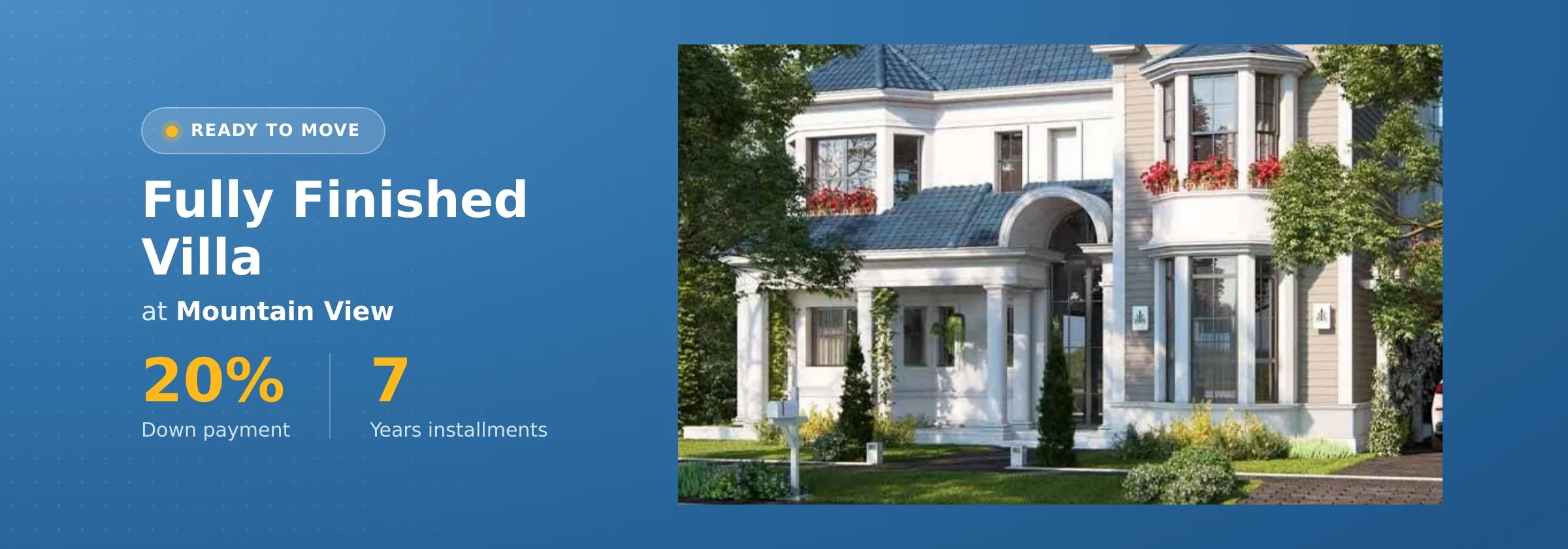
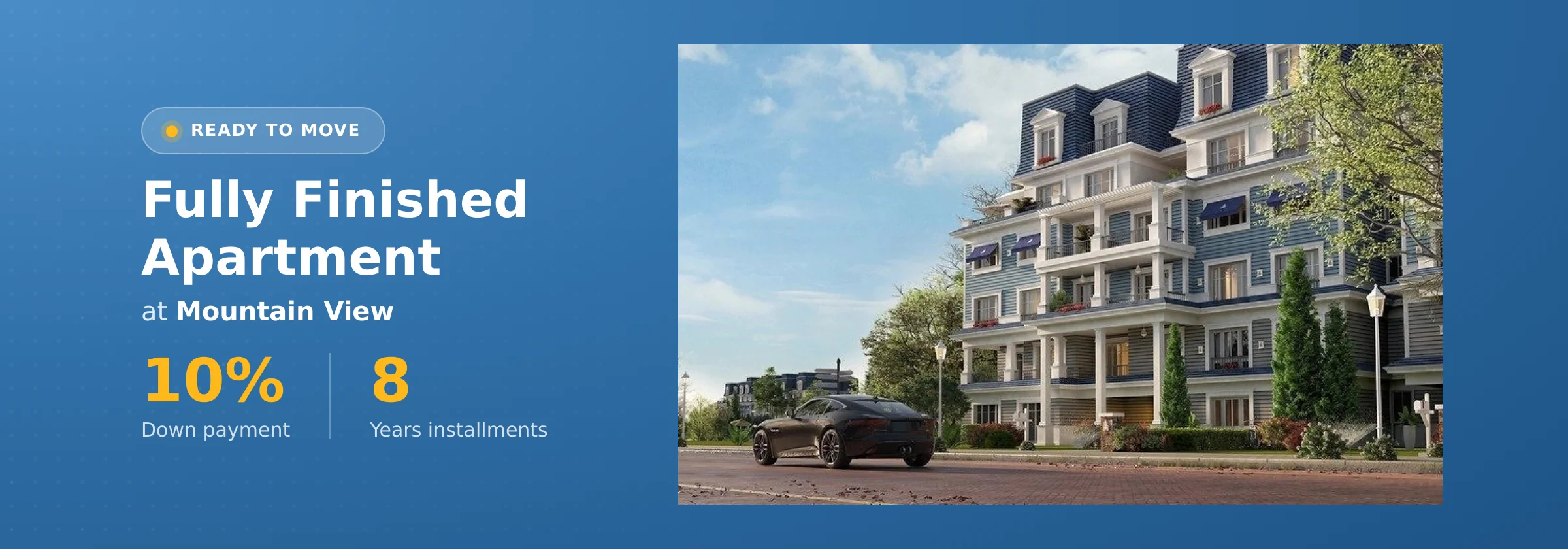
Payment plans play an important role in property purchasing decisions in 2026, as installment options help distribute the cost of a unit in line with buyers’ financial capabilities. However, a lower down payment or a longer repayment period does not necessarily mean a lower total cost. Therefore, buyers are advised to compare prices, contractual terms, and payment plans before making a purchase decision. The following factors should be considered:
- Down Payment: The initial amount required when signing the purchase contract.
- Instalment Period: The number of years available to pay the remaining property price.
- Total Property Price: The final cost of the unit under the selected payment plan.
- Additional Fees: Expenses such as maintenance, parking, and services, depending on the development's conditions.
- Delivery Date: Whether the expected handover date suits the buyer's needs and financial commitments.
Evaluating these factors helps buyers choose a payment plan that balances financial flexibility with the total property cost without taking on commitments beyond their repayment capacity.
Challenges Facing the Future of Real Estate in Egypt
Despite the opportunities available within The Future of Real Estate in Egypt 2026 during 2026, purchasing or investing requires an understanding of the challenges that may affect development costs and potential returns. The main challenges include:
- Rising Construction Costs: Higher material, transport, and energy prices may increase property costs.
- Declining Purchasing Power: Rising prices may make homeownership less affordable and reduce demand.
- Economic Fluctuations: Inflation and exchange rate changes can affect development costs and budgets.
- Delivery Delays: Construction or financing difficulties may postpone project handovers.
- Resale Risks: Higher advertised prices do not guarantee quick sales or expected profits.
- Operating and Maintenance Costs: Recurring expenses and fees may reduce investment returns.
Understanding these challenges is important when reviewing contractual terms and construction progress and assessing whether buyers can meet their financial obligations or manage delays in receiving expected returns.
Factors Shaping The Future of Real Estate in Egypt 2026
The Future of Real Estate in Egypt 2026 during 2026 and the following years depends on structural and regulatory factors that influence the sector's long-term direction, rather than short-term property price movements alone. The main factors include:
- Population Growth and Housing Needs: Population growth and changing settlement patterns influence demand for housing and services.
- Government Policies and Regulations: Housing policies, land allocation, and building regulations affect development.
- Urban Expansion and Infrastructure Development: New roads, transport networks, and utilities improve the appeal of emerging areas.
- Developer Performance: Timely delivery, construction quality, and financial stability strengthen buyer confidence.
- Domestic and Foreign Investment: Investment supports project financing and real estate development.
- Alignment Between Supply and Market Needs: Suitable property sizes, uses, and services help meet actual market demand.
These factors demonstrate that the development of Egypt's property market depends on more than the number of projects being launched. It also requires developments that meet the genuine needs of residents and investors, continued urban expansion, and a regulatory environment that supports successful project delivery and long-term sustainability.
Key Lessons from The Future of Real Estate in Egypt 2026
The Future of Real Estate in Egypt 2026 offers diverse opportunities for homebuyers and investors, but choosing suitable properties requires understanding price trends, market demand, budget, location, and purchasing objectives.
Making informed decisions depends on comparing prices, total costs, and payment plans while evaluating development quality, developer reputation, and potential risks. Rising property prices do not guarantee profits, making reliable information and careful financial planning essential.
Frequently asked questions about The Future of Real Estate in Egypt 2026
What Are the Property Price Forecasts in Egypt for 2026?
Property prices may rise by 5% to 12%, depending on location and development.
Will Property Prices in Egypt Fall in 2026?
Prices may decline in some areas while remaining stable or increasing in others.
Is The Future of Real Estate in Egypt 2026 Profitable?
Profitability depends on rental income, resale value, purchase price, and expenses.
What Are the Best Areas for Real Estate Investment in Egypt?
Key areas include New Cairo, the New Capital, Mostakbal City, Sheikh Zayed, 6th of October City, and the North Coast.
Is 2026 a Good Time to Buy Property in Egypt?
It depends on the buyer’s budget, goals, payment plan, and market conditions.
What Factors Influence The Future of Real Estate in Egypt 2026?
Key factors include inflation, supply and demand, interest rates, urban expansion, government policies, and development costs.